The Bulgarian language and its nuances.

29 Aug 2017
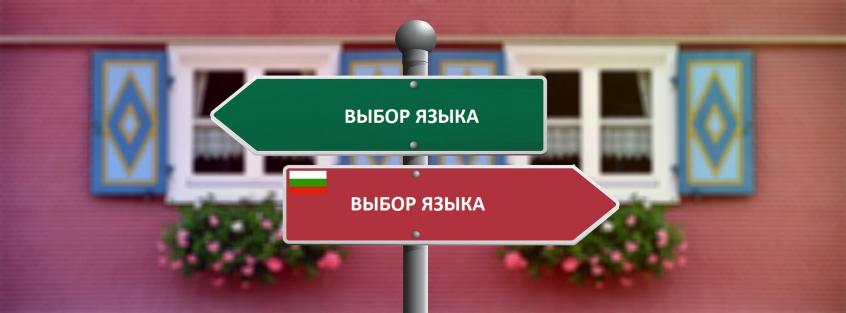
Bulgaria is the only country in Europe that uses the Cyrillic alphabet, which makes it fairly comfortable for the Russian-speaking population to grasp the language.
Moving to any new country is a step into a new life.
The older generation of Bulgarians all studied Russian at schools, universities and other educational institutions, so most of the population speaks Russian and understands Russian-speaking citizens.
The next step after moving to Bulgaria is learning the Bulgarian language, correct spelling, proper pronunciation and communication.

Where to begin...
The most important thing is, of course, communication with the Bulgarians themselves; the sooner you become part of the local social circle, the better it will be for you.
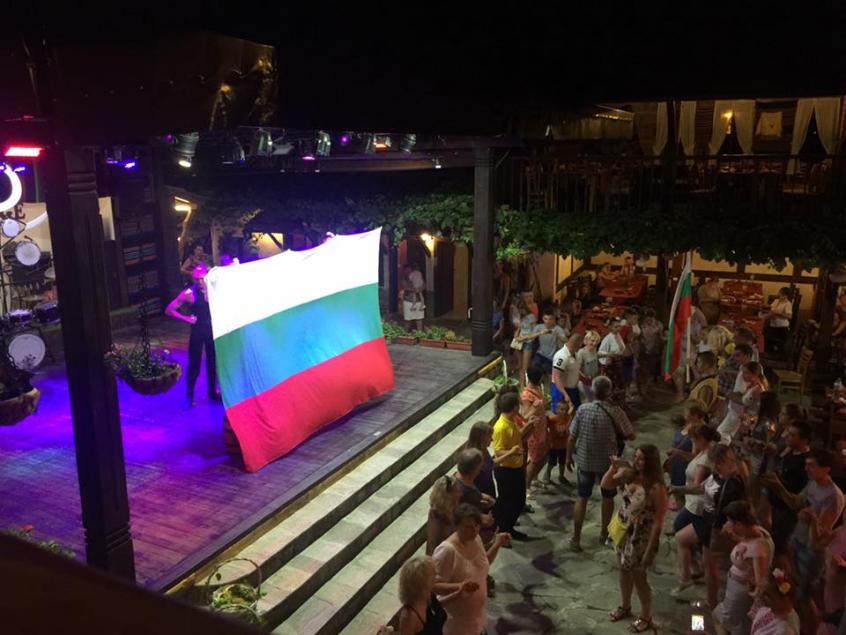
For example: if you enjoy attending any kind of classes – folk dancing, sports clubs, training sessions, cooking classes, fishing (there are even pensioners' clubs) – feel free to sign up. Bulgarians are quite friendly towards Russian speakers, and if you do not understand something, they will try to explain it to you in Russian. By attending some kind of club, you will find your circle of friends and make new contacts.
If you are ready to study the language on your own, you can use the free self-study guide (the Belitsa course). The file contains both printed material and an audio course; it is one of the best, and with its help you will be able to hear correct pronunciation and later apply it in practice. You can download it here by clicking the link: https://drive.google.com/file/d/0B2cshJ7Ag7AnU0ZnT0pVUFctN2M/view
You can take individual lessons in Bulgaria; the cost varies around 10 euros (20 leva) per hour. Or you can enrol in Bulgarian language courses for foreigners – it is essential that the teachers know your language.
If you live in Moscow, there is a Bulgarian Cultural Institute; you can follow the link: http://bci-russia.ru/
If you are in Ukraine: http://itstolytsa.ua/nashy-kursy/yazik/bolgarskij-yazyk
In Sofia, Bulgaria: http://www.deo.uni-sofia.bg/ru/language/bulgarian
In Varna: http://jeravarna.com/kursove/bulgarski/bolgarskii
It is better to pay the money to professionals and invest in yourself.
As a supplementary option, you can buy a book in Bulgarian or even a newspaper – everything is readable in Cyrillic, so it will be easier for you to take in the words, and much of it will settle in your mind and be remembered for the future.
And one last piece of advice: do not compare the Russian and Bulgarian languages. Many words are very similar, but sometimes the meanings differ. You cannot draw parallels between the languages.
Have a good day and great mood, and the strength and patience to keep learning Bulgarian! You will succeed – the main thing is desire!
Subscribe to real estate market news
Get weekly analytics and current offers.