
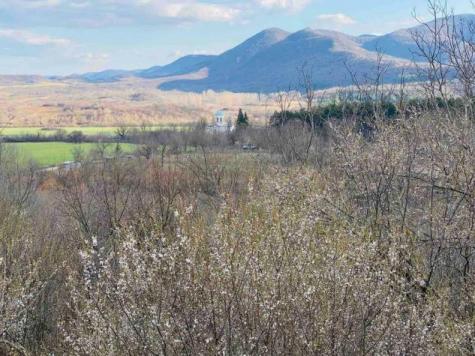
The town of Veliki Preslav is located in North-Eastern Bulgaria, in the Shumen region.
Veliki Preslav was the capital of the Second Bulgarian Empire. The settlement arose in the 9th century during the reign of Khan Omurtag as a military camp with a fortified palace and garrison. Tsar Simeon I moved the capital from Pliska to Veliki Preslav.
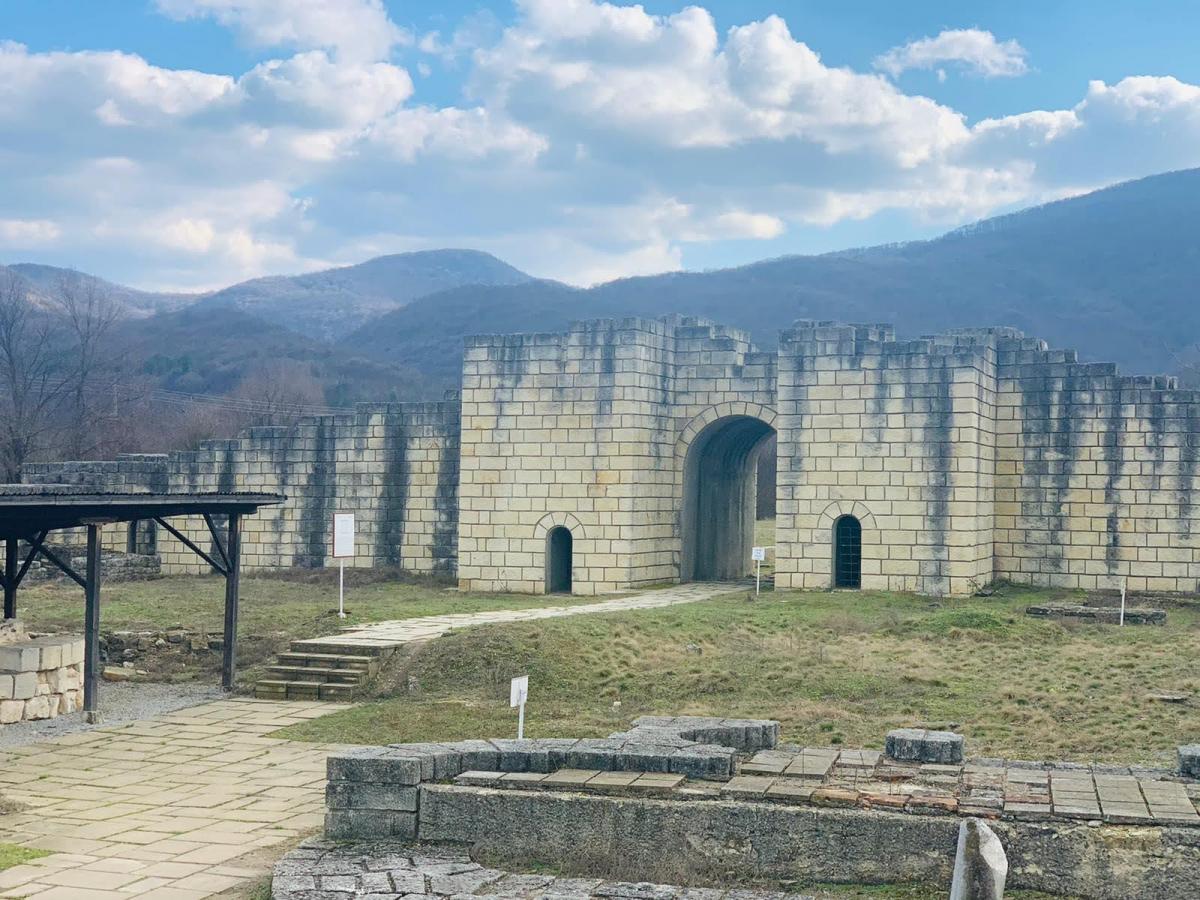
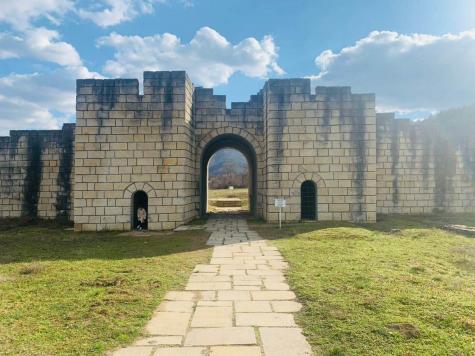
The outer city covered an area of 3.5 square kilometres and was fortified with white stone walls 10 m high and 3.25 m thick. The structure is similar to that of Pliska.
The inner city, protected by a wall, contains the complex of the royal residence. The town was remarkable for its time for its sewerage and water supply systems.
The heyday of Preslav falls within the period 893–972. The city became one of the most beautiful and majestic cities of South-Eastern Europe, from which significant monuments of the Pliska-Preslav culture have been preserved.
Unfortunately, in 972 the city was captured and destroyed by the troops of the Byzantine emperor John I Tzimiskes.
 The city was liberated by Tsar Samuil in 976 and remained in Bulgarian hands until 1001, when it once again fell under Byzantine rule. In 1053 Preslav was conquered and plundered by the Pechenegs.
After the restoration of the Bulgarian state as a result of the uprising of Ivan Asen I and Theodore-Peter (1185 – 1187), Preslav once again became a Bulgarian stronghold.
Preslav is known for the Preslav Literary School.
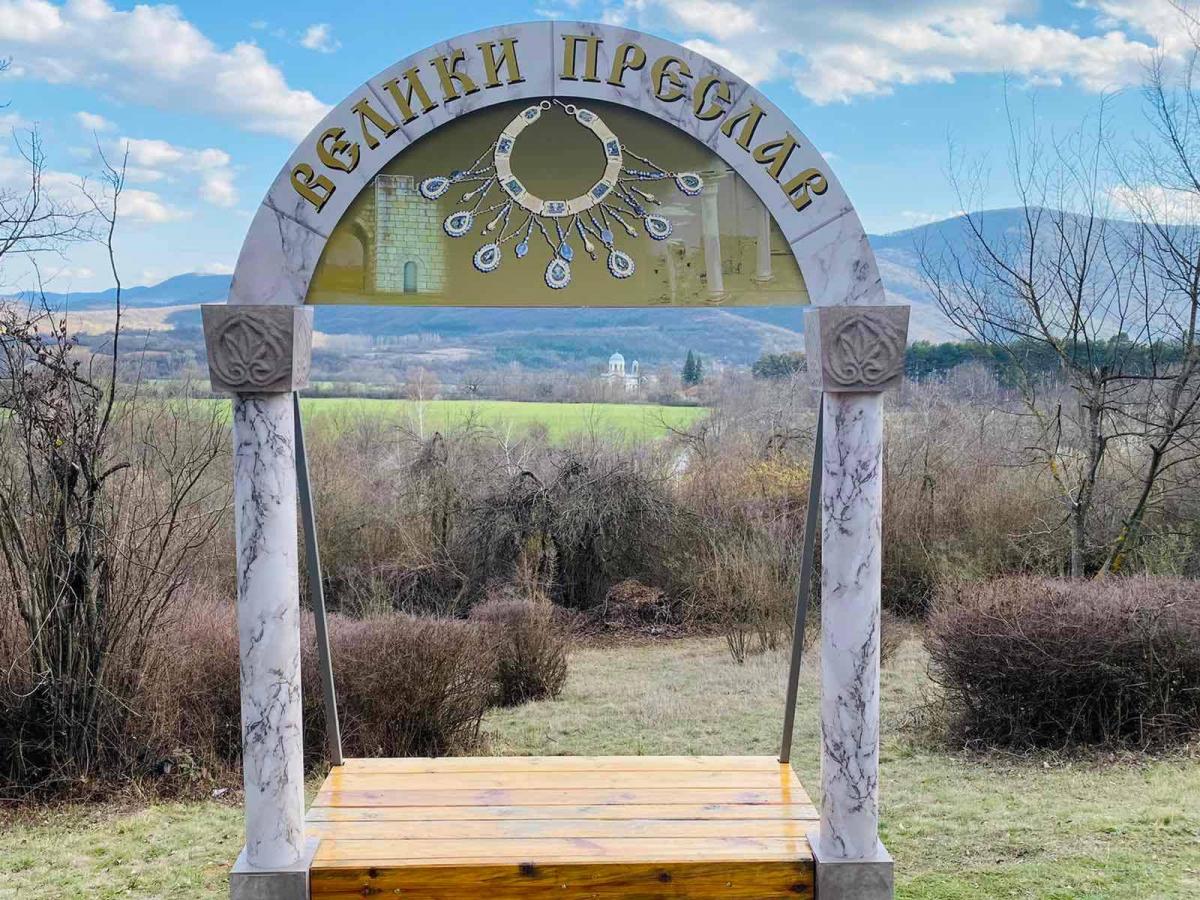
Among the archaeological finds are the ceramic icon of St. Theodore Stratelates, the Golden Treasure of Preslav and the ceramic iconostasis of the Palace Monastery, a unique collection of lead seals, and a valuable collection of epigraphic monuments.
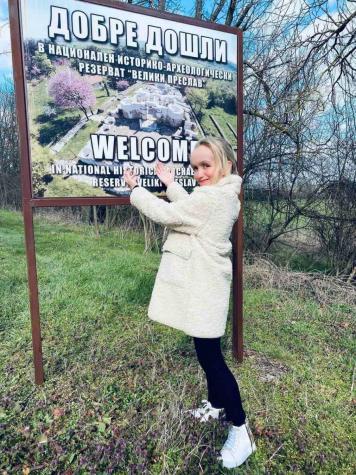
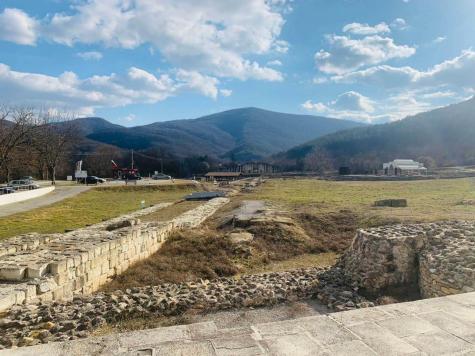
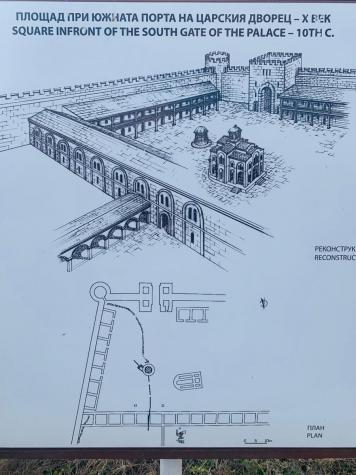 The city houses the National Historical and Archaeological Reserve, as well as a museum, which includes the restored and preserved parts of the excavations of the medieval city and a museum in which some of the discovered objects are kept. The museum’s storerooms hold more than 35,000 exhibits, of which about 1,700 are on display to visitors.
The museum was founded on 26 October 1906 by Jordan Gospodinov within the local Archaeological Society “Tiha”. The museum building was fully completed in 1981. The reserve is included among the hundred national tourist sites of Bulgaria.
In Preslav there is an ethnographic house of the 18th – 19th centuries, which has been preserved in its original form; the customs of the region are represented by an ethnographic collection.
The town also has a community centre “Razvitie 1874”, founded before the Liberation.
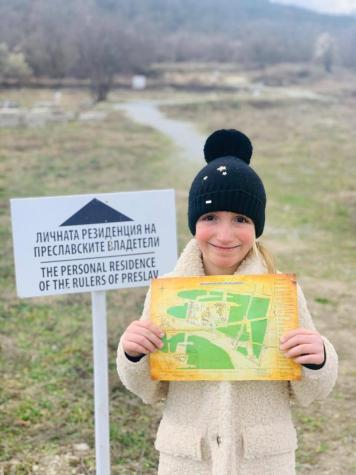
In the National Historical and Archaeological Reserve of Veliki Preslav you can see: the unique Round or Golden Church, the palaces of the rulers of Preslav. The centre of the Bulgarian Patriarchal Church. Administrative, military and civic buildings. Fortification works. Monastery complexes.
In 2021 the cost of a family ticket is 12 leva, and 6 leva per person.
An excellent place to have lunch in Veliki Preslav is Omurtagov Most (Omurtag Bridge).
Bulgaria is a very beautiful and interesting country, with wonderful nature and many sights. If you have long dreamed of buying property in Bulgaria – get in touch.
The Bulgaria Avenue real estate agency will help you choose the best options for apartments and houses at an affordable price.
Subscribe to real estate market news
Get weekly analytics and current offers.