Bulgaria and Israel: the history of relations and reasons for the popularity of Bulgarian housing among Israelis
27 Aug 2021
More and more Israeli citizens are buying property in Bulgaria. Among the main reasons are the wonderful climate, low prices for flats by the sea, delicious food, the tolerance of Bulgarians, and the country's rich history. It is about the last two points, closely intertwined over the centuries, that we would like to tell you today. After all, Bulgaria Avenue specialists do not simply sell apartments in Bulgaria. We know the history, culture and traditions of this country, and we pay attention to the interests and customs of local residents and those who are planning to move to Bulgaria or simply to holiday here.
Bulgaria Avenue agency offers property tours to Bulgaria from Israel. We will help you not only with the purchase of Bulgarian housing, but also with all the questions related to relocation or holidaymaking.
Jews in Bulgaria
 Walking around Burgas, Varna or Plovdiv, few people realise that many of the old houses built at the end of the 19th and beginning of the 20th century belonged to Jews. Manufacturers, merchants and shop owners lived in them. It is believed, for example, that the history of the Burgas Jewish community began with an orange seller who appeared in the city at the end of the 19th century, opened a shop and settled down. Others followed him – according to the chronicles, in 1901 there were already 650 Jews living in Burgas. In Plovdiv the community was formed in the 15th century, while the remains of synagogues and other structures date back to the 3rd and 5th centuries.
The boom in the development of the Jewish community dates from the end of the 19th century. During this period factories were opened, clothing shops, banks and restaurants appeared. Many houses in the centre of Burgas, on Aleksandrovska Street, were built by wealthy representatives of the Jewish community. As in other countries, they celebrated Purim, Pesach and Hanukkah, followed traditions and were actively involved in charitable work.
An indispensable part of life was the synagogue. In Varna, Burgas, Plovdiv and Sofia, temples were opened or restored between 1890 and 1909. Up until the 1940s they were rebuilt and expanded.
During the Second World War, Bulgaria was the only European country that did not hand over its Jews to Nazi Germany. The explanation was simple – we too need a labour force that will build roads, houses and factories. Of course, behind such a simple explanation lies a long history of family ties, money and the special relationships that had developed between the church, the Bulgarian tsar and the Jewish community.
Bulgaria adopted a law on the protection of the nation, under which Jews lost the right to attend schools and theatres or to manage enterprises. But in reality children still went to school, and out of old habit one could still go to the theatre. There were curious situations when former employees became the nominal managers of shops in Burgas, while in fact the work was directed by the Jewish owners.
No one disputes that Jews in Bulgaria suffered oppression; there were also concentration camps, but in fact people were able to survive, their bank accounts were preserved, and after the end of the war they could have restored their property and rights. They could have – if the Communist Party had not come to power. With its stroke of the pen, Jews were sent to Palestine – 45 thousand people. All property and houses in Varna and Burgas were requisitioned, bank accounts were closed. Five thousand Jews remained in Bulgaria, most of whom either later moved to the USA and other countries or assimilated.
Only after the fall of communism did the restoration of memory and traditions begin. Jewish societies and private schools appeared, and customs returned. In major cities memorials were installed with words of gratitude to the Bulgarian people for saving the Jews during the war.
Bulgaria for Israelis today
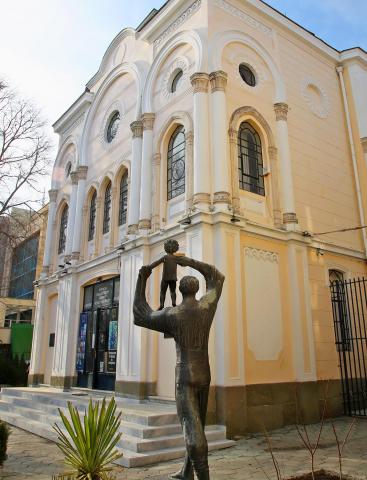
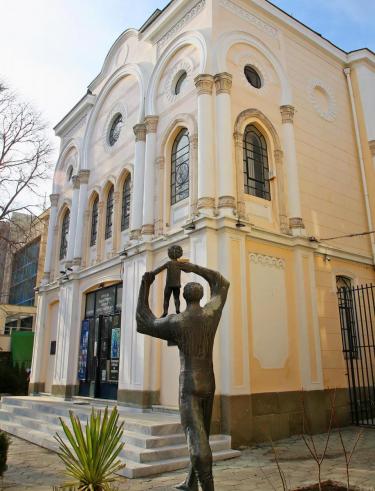
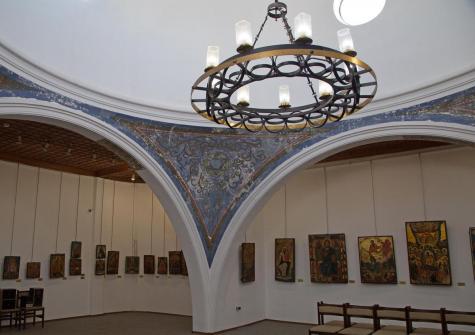
These days in Bulgaria you can buy kosher products, order a special menu in a restaurant, or attend a service in the synagogue of Plovdiv or Sofia. The Varna temple is planned to be restored, but it is located on the territory of the Ministry of Defence, and agreement to move the building outside its grounds has not yet been reached. In the old centre of Burgas the synagogue was turned into an art museum after the war. Today you can admire paintings by Bulgarian artists here. But if you climb to the top floor, your eyes will meet a dome with frescoes of unique beauty. The old furniture and a grand piano are also here. Together it all allows one to imagine how magnificent the synagogue was in the past.
 A few recommendations from Bulgaria Avenue for those who have decided to buy property in Bulgaria:
- In Burgas, Varna, Nessebar, Sveti Vlas and Byala there are a huge number of shops. However, when you come to a supermarket, you will not see shelves set aside for kosher products. Visit the website of the Sofia synagogue – it has a list of the most popular permitted dairy and other products that are sold in any supermarket. In Sofia you can also visit a specialist kosher shop.
- Kosher food is not offered in all restaurants in Bulgaria. Specialised restaurants can be found in Sofia (Jerusalem, Hamsa) and in Nessebar. In the latter case you can enjoy not only delicious dishes but also a view of the sea. In Burgas kosher dishes are offered at Happy. One of the cafes is located next to the Sea Park and the new residential building Flora, where you can buy a flat with a sea view.
- A separate kosher hotel (Platinum) with an excellent restaurant is located in Bansko – the well-known ski resort. In addition to special cuisine, here you do not need to switch off the lights on Saturday.
- Children from Israeli families who have chosen Burgas as their permanent place of residence can attend a private school, where excellent education is combined with strict discipline and the observance of Jewish traditions.
- Israeli citizens have the opportunity to buy any kind of property in Bulgaria – studios, two-room and three-room flats at the seaside resorts, townhouses in Burgas and its surroundings, private houses and cottages in villages by the sea, in the mountains, and in villa settlements such as Victoria Hills, Kosharitsa and Sveti Vlas. Property in complexes and from developers is in great demand. Commercial premises are also on sale – shops, restaurants and hotels. The only exception is that a plot of land must be registered in the name of a company rather than a private individual.
- Having bought a flat, you can not only live in it or spend your holidays there. Apartments in Bulgaria are a wonderful investment. In the major cities of Burgas and Varna, property can be let out on a year-round basis. At the seaside resorts the rental business flourishes in summer – many families from Israel, as well as pensioners, choose apartments in complexes such as Fort Knox, VIP Park and Sweet Homes.
- The country has representative offices of the "Aleph" and "Shalom" societies. Each year they hold literary competitions and organise cultural events.
Bulgaria Avenue offers property in Bulgaria for citizens of Israel. In Burgas, Varna and on Sunny Beach you can buy apartments, townhouses and cottages. Our catalogue includes housing for pensioners, families with children and business people.
Subscribe to real estate market news
Get weekly analytics and current offers.