
Life in Bulgaria. Bulgarian Cuisine: Top 10 Most Popular Dishes

09 Jan 2021
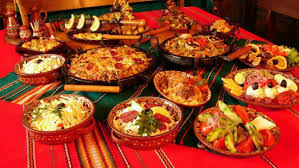 Bulgarian national cuisine, like the cuisines of all Balkan peoples, is remarkably tasty and diverse. The proximity of Greece and Turkey, as well as the long Ottoman rule, have left their mark on traditional Bulgarian dishes. Identical local produce is another reason for the similarity between Bulgarian cuisine and Turkish and Greek cuisines, which inherited Byzantine culinary traditions. Bulgarian dishes are also very similar to the traditional dishes of Armenia and Georgia. At the same time, Bulgarian cuisine has managed to preserve its distinctive character, and many dishes have remained authentic.
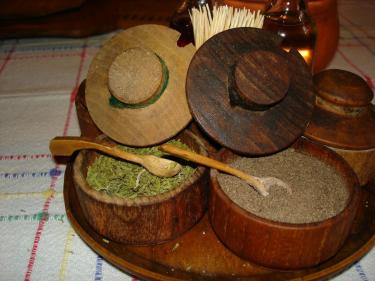
The main feature of authentic Bulgarian cuisine is the wide use of spices, seasonings, herbs, greens and vegetables. Bulgarian seasonings — bay leaf, parsley, mint, savory, paprika, red, black and allspice peppers, onion and garlic — give the dishes a unique, subtle aroma. You have to experience it for yourself!
 Another feature of Bulgarian cuisine is the variety of dishes made from meat, vegetables, pulses and dairy products. Vegetables (zelenchutsi) are eaten fresh, and preserves are made for the winter — pickles (turshiya, mandzha, lyutenitsa, lyutivka, kyopoolu).
Fried, stewed and baked vegetables are served as a side dish with meat or as a main course. Bulgarians are known for their skill in preparing stuffed vegetables. Stuffed peppers are world-famous. Vegetables in Bulgarian cuisine pair wonderfully with dairy products and pastries, meat and fish. For example, peppers stuffed with sirene (similar to brynza) and baked in the oven or on the skara (grill).
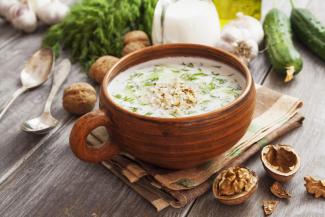
 Are the products in Bulgaria of good quality? Of course they are, and they are very tasty, and most importantly — wholesome. In Bulgaria, quality dairy products are highly valued: yoghurt, kefir, ayran, kiselo mlyako — the yoghurt famous throughout the world. Here, dairy products have a special, inimitable flavour thanks to the lactic acid bacteria that exist only in Bulgaria. Like yoghurt, a little yoghurt-based thick cream is added to salads and desserts, and used to prepare cold appetisers and soups. Yoghurt is believed to prolong life. Many dishes are made from yoghurt, including the famous milk soup — tarator.
Cheeses deserve a special mention. Bulgarians love them dearly. The most popular is sirene (a soft salty cheese). With bread and green pepper, it is considered almost a national dish. Sirene is used as an appetiser with wine, in many meat and vegetable dishes, pastries and omelettes. Kashkaval (a yellow hard cow’s, sheep’s or goat’s milk cheese) is used on its own and together with sirene as a filling for pies and in various dishes.
 Another distinctive feature of Bulgarian cuisine is the method of preparation. Most soups and main courses are cooked over low heat. All the ingredients are added at once and cooked for an hour or two.
Bulgarian cuisine is famous for its salads, soups and vegetable dishes. A special place is reserved for meat and poultry. Meat is preferably stewed or grilled on the skara.
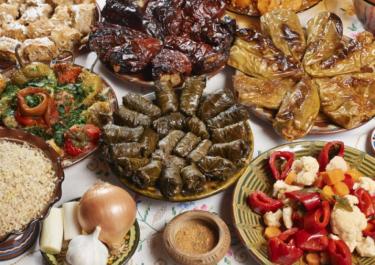
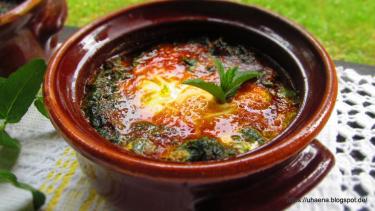
The choice of meat dishes is quite varied: assortments of several kinds of burgers and kebabs, shisheta — small skewers of pork, lamb or chicken, kebapcheta — sausages made of minced meat, and dried meat (lukanka). For main courses, meat is usually stewed with vegetables and baked in special clay pots called «gyuvech» in the oven. The most popular are: meat gyuvech (usually lamb) with potatoes, tomatoes, garlic and other vegetables, kavarma — meat with onions, peppers and the addition of red wine, kapama — several kinds of meat and sausages stewed with sauerkraut or fresh cabbage, the famous musaka — a bake with minced meat, potatoes, aubergines and cheese (usually feta), sach — meat fried with vegetables and mushrooms on the pan of the same name and served directly in it, sarmi — vine leaves stuffed with meat and rice or vegetables and rice, and sarma — minced meat wrapped in lamb intestine casing.
Meat dishes are usually quite fatty. Keep in mind that the portions in mehanas (restaurants) are impressive.
Bulgarian cuisine — what to try
 National cuisine is the calling card of a country. It shapes one’s impression of a people.
Below we present our own top 10 dishes worth tasting in Bulgaria.
Once you find yourself in Bulgaria, be sure to try:
- Shopska salad,
- bean soup «Bob yahniya»,
- tarator soup,
- chushka byurek (peppers baked with sirene),
- kashkaval pane,
- banitsa;
- sach;
- gyuvech;
- kyufte, kebapcheta, shishcheta;
- frozen yoghurt with nuts and honey.
What to order at a Bulgarian café or restaurant
 A meal in Bulgaria usually begins with a salad — Shopska or Ovcharska.
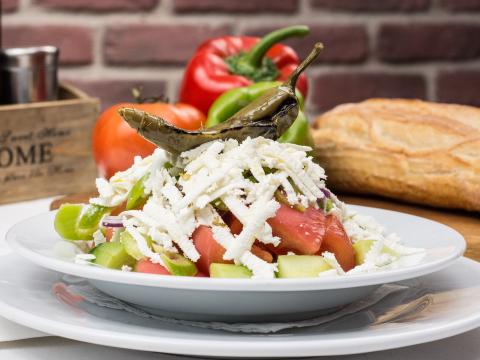
A genuine Shopska salad consists of cucumbers, tomatoes, roasted sweet peppers, onion, fresh parsley and cheese with a dressing of olive oil and apple cider vinegar. This salad, in different variations, is known throughout the Balkans. In Greece it is called «Greek salad» and is traditionally prepared with the addition of olives and lemon juice.
Another popular salad in Bulgaria is «Snezhanka» (Snow White), prepared from yoghurt, cucumber and garlic, and reminiscent of the Greek «tzatziki».
Bulgarian cuisine offers a great variety of soups. The famous chorba is the main dish and the pride of the table. There are many kinds of chorba: meat, chicken, fish, vegetable, herb, cold and yoghurt-based. They are prepared according to the season. Every region has its own particular recipe.
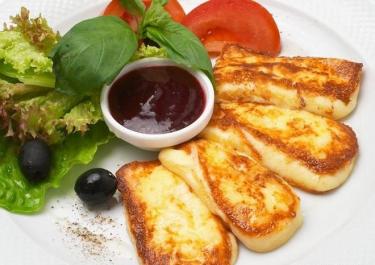
A Bulgarian restaurant menu cannot be without byurek, cheese fried in a pan, bob yahniya, lyutenitsa and the pie — banitsa.
Bulgarian cuisine: pastries
 Bulgarian dough-based dishes, banitsi — are made from the finest filo pastry (tocheni kori), with fillings placed between the sheets. Usually this is sirene. Pumpkin banitsa is also popular. Banitsa is a favourite snack of Bulgarians and tourists alike. At Christmas (Koleda), housewives bake banitsa with fortunes — «Kúsmeti».
Bulgarian sweets
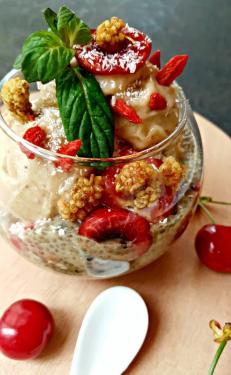
Bulgaria has a rich choice of sweets: Eastern ones (tulumba, baklava), palachinki (pancakes) more familiar to Russians and Ukrainians, and waffles. Do not rush to order only ice cream — order zamrazeno kiselo mlyako (frozen yoghurt). It is sold in shops and served in restaurants in little clay pots. It is delicious with honey, nuts and wild berries. Also feel free to order «melba» — ice cream with fresh fruit, whipped cream, nuts and syrup.
What alcohol is drunk in Bulgaria
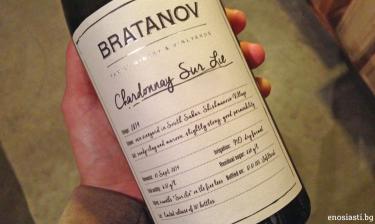 Food in Bulgaria is not complete without local wines, which have an incredible flavour. Winemaking here has long-standing traditions. Bulgaria produces white and red wines, more than 600 of which are widely known throughout the world. The most popular are: «Gamza», «Pamid», «Merlot», «Trakia», «Otel», «Muscat Ottonel», «Cabernet Sauvignon», «Melnik», «Mavrud», «Khan Krum Traminer», «Galatea», «Rila Monastery», «Riesling», «Kadarka» and others.
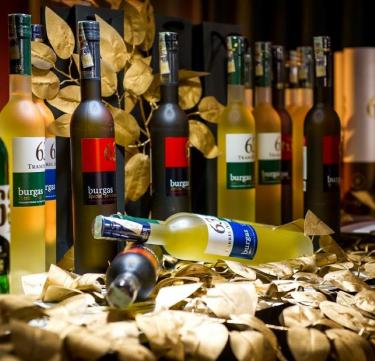 Enthusiasts of stronger drinks will appreciate liqueurs, mastika (47%) and the famous Bulgarian brandy-and-fruit spirit — rakia, aged in oak barrels, which give it a rich aroma reminiscent of brandy. The strength of rakia is 40o. Home-made rakia is between 50 and 60 degrees. Rakia is produced from apricots (kaysii), plums, grapes (grozdova rakia) and roses (gyulova rakia). Gyulovitsa is an exotic alcoholic drink whose technology and subtleties of production every master kept secret. «Gyul» brandy is one of the symbols of the Rose Valley, celebrated in the works of the classics of Bulgarian literature.
We recommend trying the rakias: «Burgas 63 — Perloff», «Peshtersko», «Alambik», «Straldzha Muscat», «Tsar Simeon», «Vratsa Temenuga», «Champagne Muscat».
Bulgaria offers a good selection of beers: Pirin, Burgas, Ariana, Shumensko, Astika and Zagorka.
Delicious dishes, fragrant spices, aromatic brandy and incredible wine make Bulgarian cuisine recognisable and remarkable. Descriptions and photos cannot convey the full range of emotions and taste sensations you will experience from gastronomic tourism in Bulgaria! And if you ask: «Are there cottage cheese, buckwheat and herring in Bulgaria?» Yes, everything can be bought at «Beryozka», a chain of grocery stores across Bulgaria, but if you are in Bulgaria, try Bulgarian cuisine — it is tasty and wholesome.
Subscribe to real estate market news
Get weekly analytics and current offers.